
Leading Through Transformation: Three Reflections for 2026
As we enter the new year, I want to share three thoughts that have been on my mind.

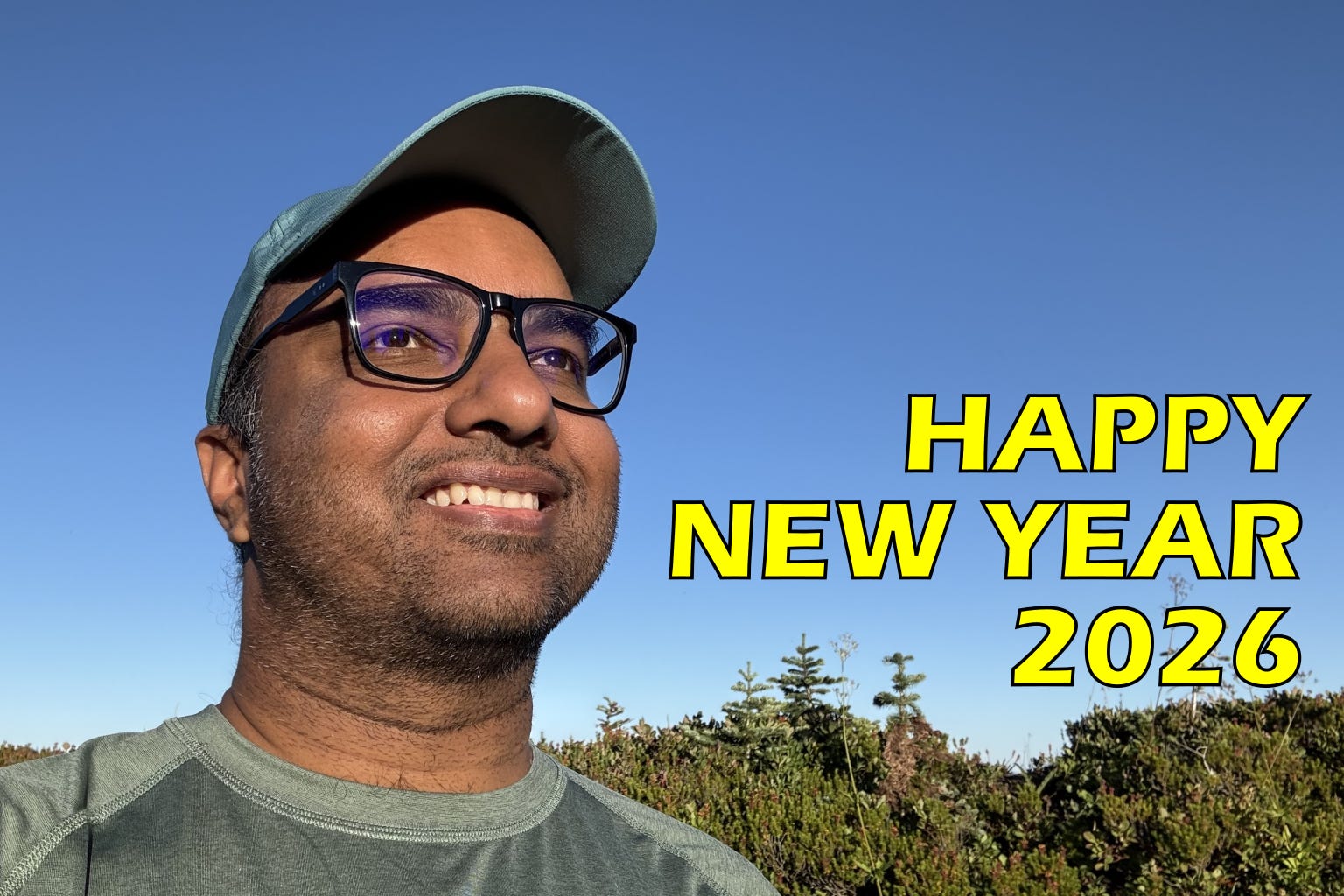
As we step into 2026, we find ourselves in a moment unlike any other in recent history. AI has fundamentally reshaped not just how we solve problems, but the very nature of what problems we can tackle. It’s changed how we view our roles, lead our teams, and envision our futures. And here’s the reality: this transformation isn’t slowing down. It’s accelerating.
The gap between leaders who adapt and those who cling to old playbooks will only widen from here. For leaders navigating this new landscape, I want to share three thoughts that have been on my mind as we enter this new year.
1. Do not hesitate to reinvent yourself
The biggest risk in 2026 is not being wrong, but being static. The skills that made you successful five years ago—even two years ago—may not be the ones that define success tomorrow.
The leaders who will thrive in 2026 and beyond are those who embrace reinvention not as a crisis response, but as a continuous practice. This means being willing to question your expertise, challenge your assumptions, and venture into unfamiliar territory. It means recognizing that your value isn’t locked into what you’ve always done, but in your capacity to evolve. Titles, tenure, and past achievements are losing their protective power - the only durable edge is the willingness to continuously reinvent yourself.
Also, reinvention is no longer a mid‑career event, it is a recurring practice: trying new tools, stepping into unfamiliar problem spaces, and being willing to look like a beginner again in front of your own team.
Ask yourself as we step into 2026: What would I do this quarter if I weren’t afraid of looking inexperienced or making mistakes?
2. Unlearn old habits and relearn work with AI
Perhaps the hardest part of this AI revolution isn’t learning new tools—it’s letting go of old ways of working. We’re creatures of habit, and many of us have spent years perfecting workflows and processes that AI can now handle more efficiently.
The challenge isn’t just adopting AI; it’s actively unlearning the manual approaches we’ve relied on and relearning how to work in partnership with these new capabilities. This applies to everything from how we draft communications to how we analyze data to how we make decisions. Many of the habits that made us successful—manual analysis, writing everything from scratch, tightly controlling information—are now constraints rather than strengths.
This unlearning requires humility. It requires us to acknowledge that the “right way” we’ve championed for years might not be the most effective way anymore. But for those willing to do this work, the productivity gains and creative possibilities are extraordinary.
Ask yourself as we step into 2026: What belief about “how work should be done” is limiting my and/or my team’s potential?
3. Don’t get overwhelmed: execution is built on small daily steps
With so much change happening so quickly, it’s easy to feel paralyzed. The pace of innovation can make any action feel insufficient before you even begin.
Here’s my advice: resist the temptation to wait for the “perfect” strategy or the “complete” understanding. Instead, focus on consistent, small daily steps of progress. Experiment with one AI tool this week. Have one conversation with your team about how you might work differently. Identify one process that could be reimagined. The leaders who will win 2026 are not the ones making the loudest predictions, but the ones who quietly execute: turning big narratives into tiny, repeatable steps that teams can actually take this week.
Ask yourself as we step into 2026: What are the three small improvements we will make every week, without fail? Over a year, that becomes transformation.
A closing wish for 2026
As we begin 2026, we have a choice. We can view this moment with anxiety about what we’re losing, or with excitement about what we’re gaining. We can resist the changes reshaping our world, or we can actively participate in shaping what comes next.
My hope is that we choose the latter—that we embrace reinvention, commit to continuous learning, and focus on steady execution. Here’s to a year of growth, transformation, and meaningful progress.
Wishing you all a very happy 2026.